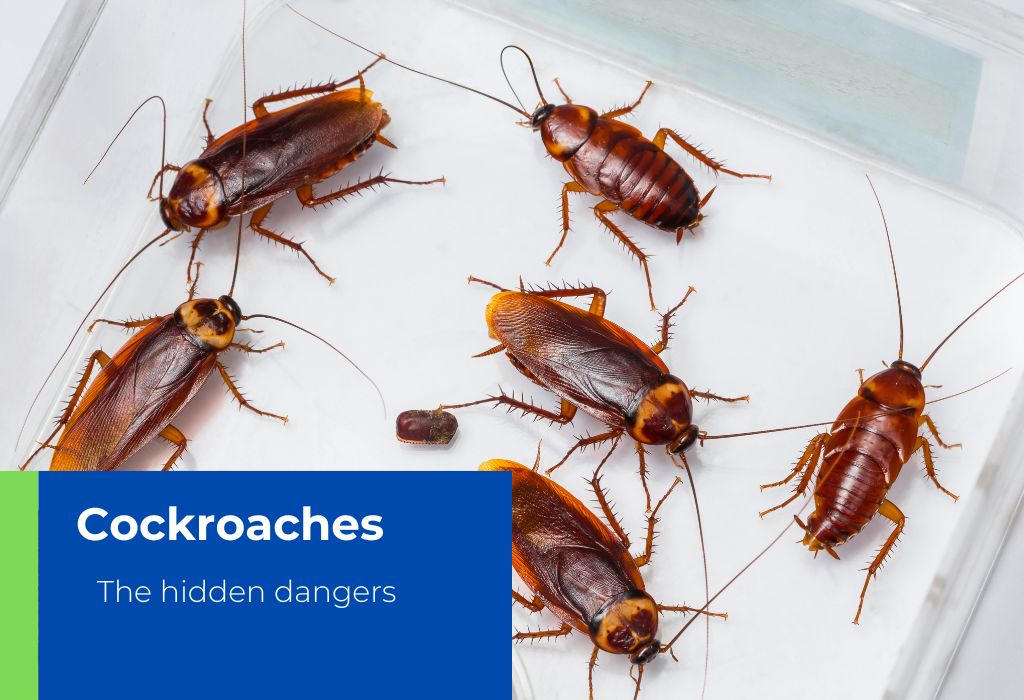
In the heart of Namibia’s arid landscapes, where the sun scorches the earth and winds whisper through the dunes, homes offer a stark contrast—cool, shaded sanctuaries. Yet, these refuges can harbor a silent menace: cockroaches. These resilient insects, thriving in the shadows of urban kitchens and rural pantries, pose significant threats to health and hygiene. In a country where water scarcity heightens the value of every drop, cockroaches exploit the humid nooks of our living spaces, breeding unchecked and spreading peril. This article explores the dangers they bring and the insidious ways cockroaches in Namibian homes can multiply.
Common Culprits in Namibian Dwellings
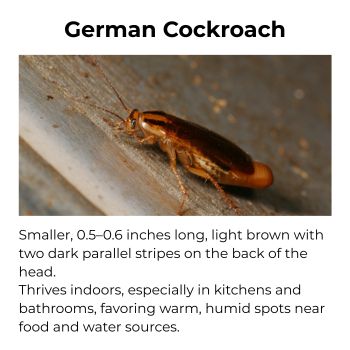
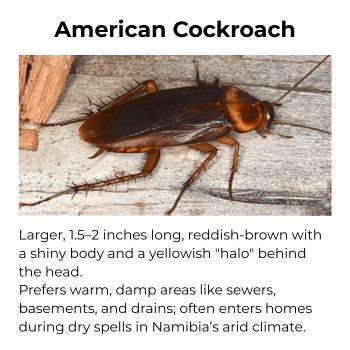
Namibia’s pest landscape mirrors global patterns but is shaped by its semi-desert climate. The German cockroach (Blattella germanica) reigns as the most prevalent indoor pest, infesting apartments, supermarkets, and restaurants across Windhoek and beyond. Smaller than its American cousin, this light-brown invader with two dark stripes on its back favors warm, enclosed environments like kitchens and bathrooms. Other species, such as the American cockroach (Periplaneta americana) and Oriental cockroach (Blatta orientalis), lurk in sewers and drains, venturing indoors during dry spells. Namibia’s biodiversity boasts over 30 cockroach species, but it’s these urban adapters that turn homes into breeding grounds.
In cities like Windhoek and coastal Swakopmund, where modern plumbing meets traditional thatch roofs, these pests exploit gaps in sanitation. A 2022 opinion piece highlighted how cockroaches symbolize urban neglect, invading even the most intimate corners of Namibian homes.
Health Hazards: More Than Just a Nuisance
Cockroaches aren’t mere eyesores; they’re vectors for disease, turning everyday homes into potential health hazards. In Namibia, where access to clean water and medical care varies, their impact is amplified. These insects carry pathogens on their bodies, in their feces, and saliva, contaminating food and surfaces. Common ailments linked to them include diarrhea, dysentery, and food poisoning from bacteria like E. coli and Salmonella.
A stark example emerged in 2018 at Katutura State Hospital in Windhoek, where cockroach infestations were tied to Salmonella outbreaks, risking typhoid and respiratory infections. Beyond bacteria, cockroach allergens—shed skins, droppings, and saliva—trigger asthma and allergies, especially in children and the elderly. In dusty Namibian interiors, these particles linger in the air, exacerbating respiratory woes in a population already vulnerable to environmental allergens.
Economically, infestations damage goods: cockroaches devour labels, books, and fabrics, while their presence can lead to business closures under health regulations. In 2023, Namibia’s Ministry of Agriculture banned a popular “cockroach killer” due to safety risks, underscoring the desperation—and dangers—of unchecked DIY solutions.
Breeding Behaviors: A Rapid Reproductive Cycle
Cockroaches’ prowess lies in their breeding efficiency, tailored to survive Namibia’s harsh conditions. Females produce egg cases (oothecae) containing 30-40 nymphs, which hatch in warm, humid spots—ideal in kitchens with leaky pipes or steamy showers. German cockroaches, the fastest breeders, complete their life cycle in 100 days, with females laying up to eight oothecae in a lifetime. In Namibia’s variable climate, they seek out human heat sources, clustering in wall voids, under sinks, and behind appliances.
One female can spawn 400 offspring in months, turning a minor sighting into an infestation. Nocturnal by nature, they scuttle at night, drawn to crumbs and moisture. In arid regions, they adapt by sipping from pet bowls or condensation on cold pipes. Poor sanitation—cluttered storage, unsealed food—fuels this cycle, as noted in Rentokil Namibia’s reports on human-made habitats.
Curbing the Creep: Prevention Strategies
Breaking the cycle demands vigilance. Seal cracks with caulk, store food in airtight containers, and fix leaks promptly—crucial in water-scarce Namibia. Regular cleaning denies them sustenance, while baits and gels target hidden nests. Professional services, like those from local firms, use eco-friendly methods to avoid chemical overuse. Education is key: community drives in Windhoek have reduced infestations by promoting hygiene.
A Call to Action
Cockroaches in Namibian homes are more than pests—they’re a barometer of sanitation and resilience. By understanding their dangers and breeding habits, we reclaim our spaces. In a nation of stark beauty, let’s ensure our homes remain havens, not hideouts for these hardy invaders. Early detection and collective effort can squash this threat before it multiplies.
If you struggle to keep your infestation under control. please call the experts – 081 666 1865