
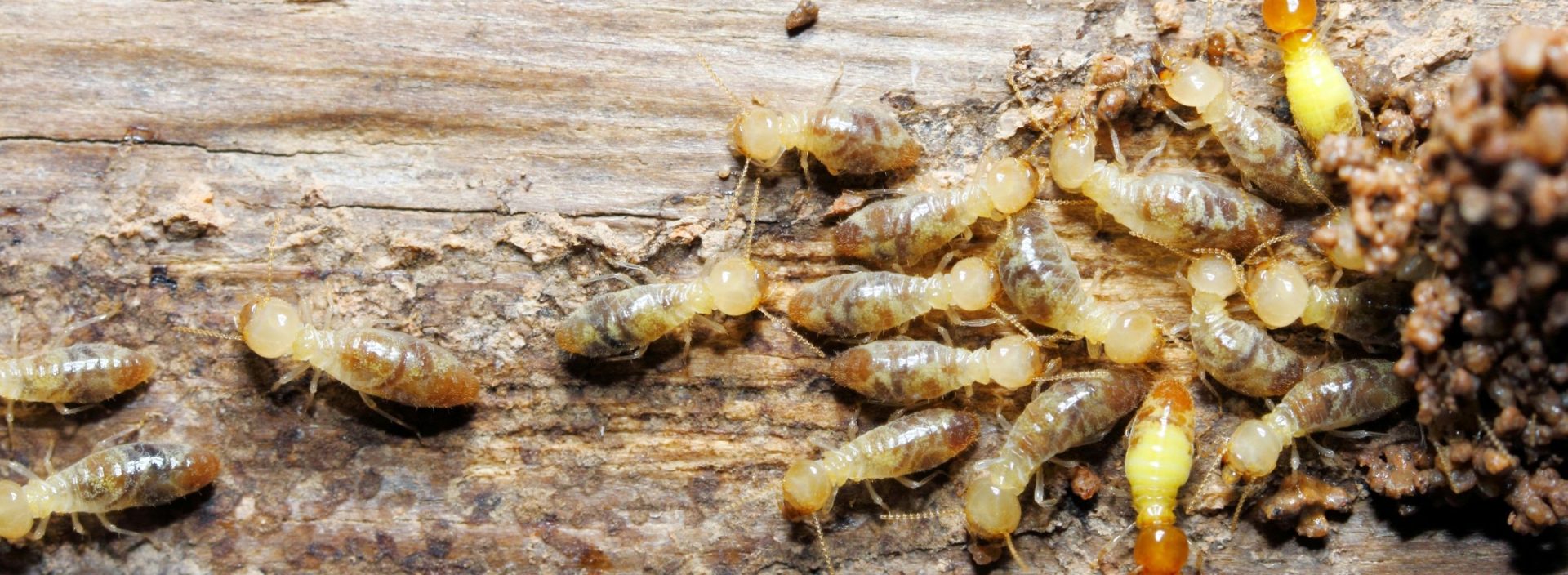
In Windhoek, our homes are our biggest investments. But beneath the surface, a silent threat could be causing thousands of dollars in damage before you even know it’s there. Termites thrive in Namibia’s climate, working quietly 24/7, and a single colony can contain millions.
The good news is that they always leave clues. Knowing these signs is the first step to protecting your property.
Here are the 5 telltale signs every Windhoek homeowner should look for.
1. Mud Tubes on Walls and Foundations
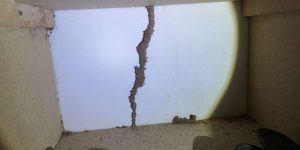
What they are: Subterranean termites, the most common type to cause structural damage in Namibia, build pencil-sized “highways” from soil, wood, and saliva. These tubes protect them from the dry air and predators as they travel from their underground nest to their food source (your house).
Where to look:
-
On the outside of your foundation walls, especially where the concrete slab meets the brickwork.
-
On the inside of your home, in corners, or climbing up walls from behind skirting boards.
-
Near plumbing or other utility entry points.
2. Hollow-Sounding or “Papery” Wood
What it is: Termites eat wood from the inside out, leaving only a thin veneer of wood or paint on the surface.
What to do:
-
Tap or knock on your wooden skirting boards, door frames, and window sills.
-
If they sound “papery” or hollow instead of solid, you likely have a problem.
-
You may also notice that your vacuum cleaner goes through the skirting board or a “blistering” effect on the wood’s surface.
3. Swarms of “Flying Ants” (or Their Wings)
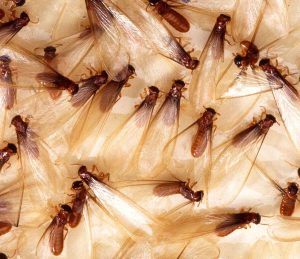
What they are: This is often the most visible—and most misunderstood—sign. After the first heavy rains, termites (called alates or swarmers) will fly from their colony to mate and establish new ones. Many people mistake them for flying ants.
How to tell the difference:
-
Termite Wings: Two pairs of wings that are equal in length.
-
Ant Wings: Two pairs of wings that are different lengths (one long, one short).
You might miss the swarm itself, but you’ll find piles of discarded wings on window sills, floors, or caught in cobwebs. This is a sure sign an active colony is nearby.
4. Warped Doors, Stiff Windows, or Rippled Paint
What it is: This sign is often incorrectly blamed on “settling” or humidity. As termites eat through wooden structures like door frames and window sills, they introduce moisture. This moisture and the damaged wood cause warping, making doors and windows stick and become difficult to open.
You might also see paint on your walls or ceilings that appears bubbled, rippled, or discoloured, similar to minor water damage.
5. Faint Clicking or Rustling Sounds
What it is: This is the sound of the colony at work. If you put your ear close to a wall or beam where you suspect activity, you may hear quiet, rustling sounds. This is the noise of termites munching on your wood.
If you tap on the area, you might hear a faint “clicking” or “head-banging” sound. This is the soldier termites tapping their heads against the wood to signal danger to the rest of the colony.
Found a Sign? Don’t Wait.
Termite damage is not a DIY project. Store-bought sprays might kill a few visible insects, but they won’t stop the millions hidden in the colony—and they won’t solve a structural infestation.
If you’ve noticed any of these 5 signs, the clock is ticking. The Specialists are your local Windhoek experts in identifying, eliminating, and preventing termite infestations.
Don’t let silent destroyers eat away at your home. Call The Specialists today for a professional termite inspection and peace of mind.
CALL US NOW: 081 666 1865 www.thespecialists.com.na